Se trata de un sistema de control de las emisiones de CO2
Resumen general
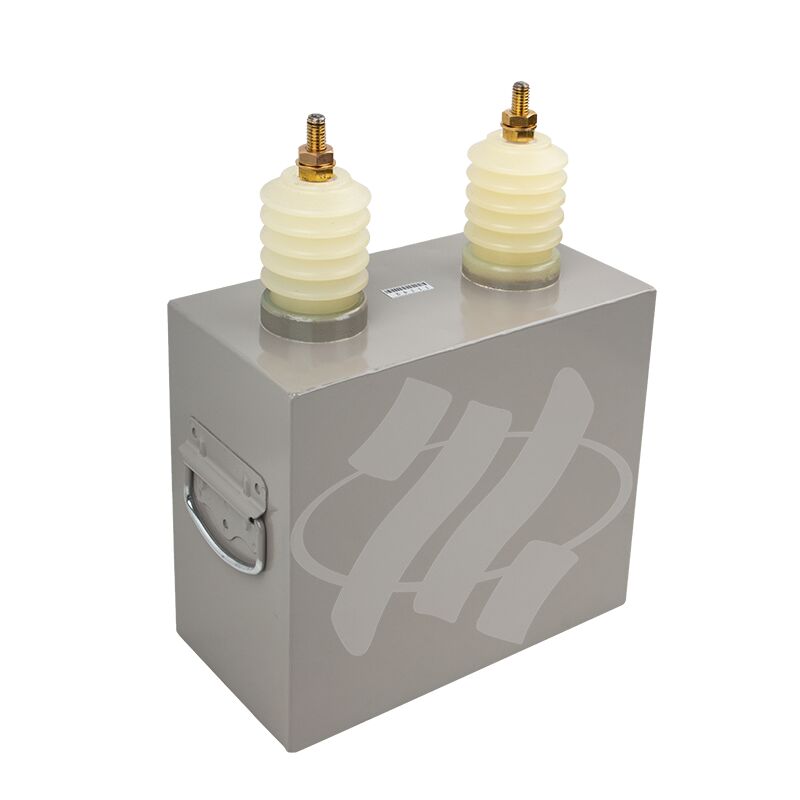
Utilizando películas importadas y un diseño de bobinado no inductivo, el condensador de almacenamiento de energía de pulso ofrece capacidades sobresalientes de auto-reparación y a prueba de explosión.Sus principales ventajas incluyen la estructura robusta, funcionamiento libre de fugas, propiedades ecológicas, resistencia a la humedad y al fuego, vida útil prolongada, así como una pequeña huella y un peso ligero.
Aplicaciones
Este condensador de almacenamiento de energía acumula energía de fuentes de baja potencia durante ciclos de carga programados.producen una corriente de impulso potente y una potencia de impulso altaIdeal para su uso en pruebas de descargas de impulso de alto voltaje, física de alta energía, circuitos de oscilación, prospección geológica y sectores relacionados.

Precauciones y errores comunes
1Evite estrictamente el impacto o el choque con el condensador de almacenamiento de energía de pulso, ya que esto puede dañar fácilmente la película interna.
2. Cuando utilice el condensador de almacenamiento de energía de pulso, lea el manual de instrucciones y la etiqueta del condensador para evitar el uso de sobrevoltaje.
3Durante el uso, preste atención a la tensión nominal de los cables de conexión y a la distancia de seguridad.
4Una vez finalizado el ensayo, el terminal de alta tensión deberá descargarse por completo.
5Si durante el uso se produce un ruido inusual en el interior del condensador, se recomienda dejar de utilizarlo, ya que existe el riesgo de daños en el aislamiento interno.
6Si la carcasa del condensador muestra protuberancias o protuberancias, se recomienda dejar de usarla, ya que existe el riesgo de deterioro del material interno y reducción del aislamiento.


 ¡Su mensaje debe tener entre 20 y 3.000 caracteres!
 english
 français
 Deutsch
 Italiano
 Русский
 Español
 português
 Nederlandse
 ελληνικά
 日本語
日本語
 한국
한국
 العربية
 हिन्दी
 Türkçe
 indonesia
 tiếng Việt
 ไทย
ไทย
 বাংলা
বাংলা
 فارسی
فارسی
 polski